Dockwalking in November: where in Europe to find a winter job (Antibes, Canaries, Gibraltar)
Where yachts gather in Europe this autumn, what marina access rules say about dockwalking, and why Gibraltar no longer resets your Schengen days.

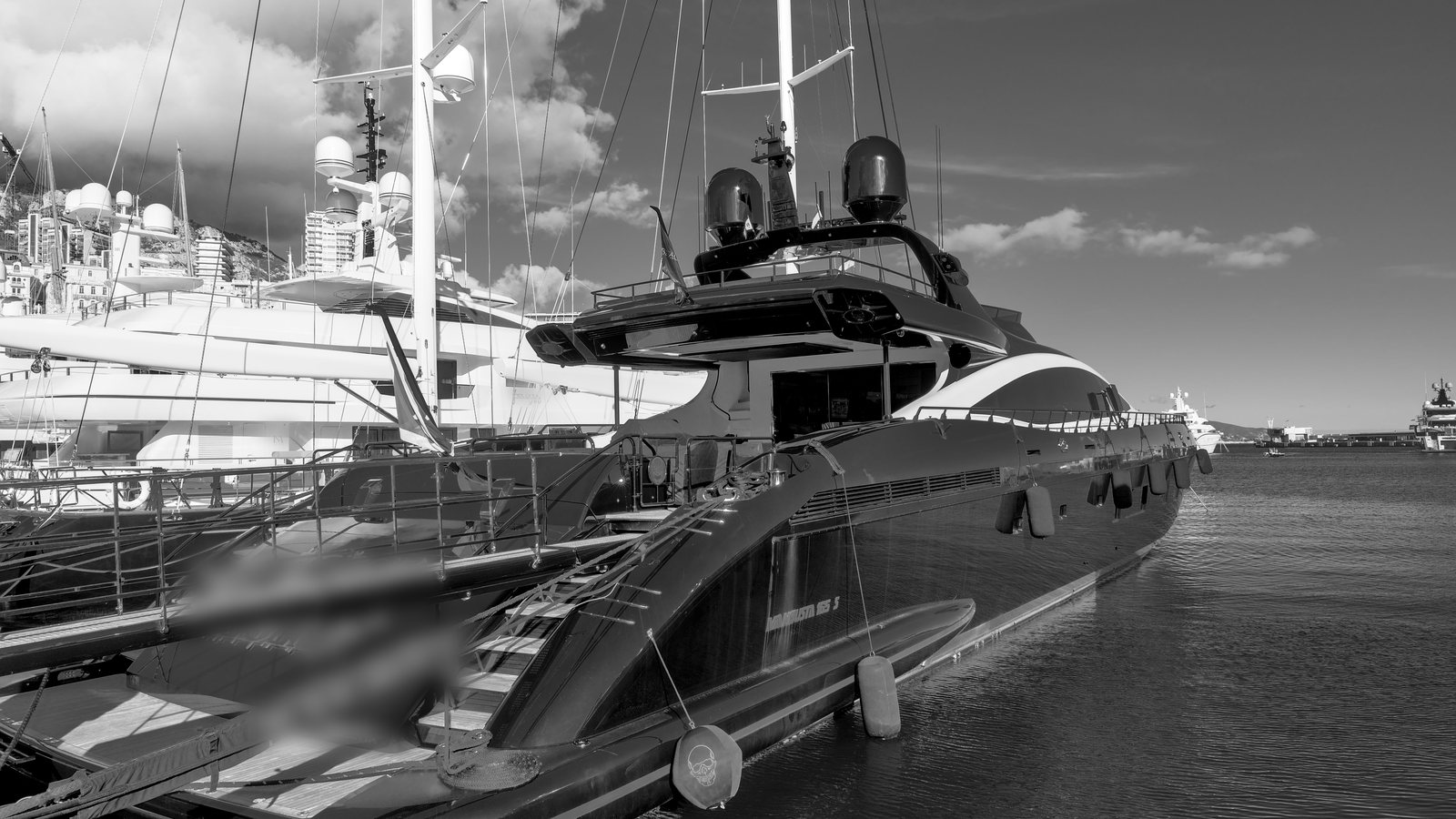
In October the European boat shows are over, and the next fixed date for yachts in Europe is the ARC start in Las Palmas on 22 November 2026. Dockwalking itself is not regulated anywhere we checked, but marina access rules are. Non-EU crew should also know that days in Gibraltar now count towards the Schengen 90 days.

This guide is for crew who want to find a winter job in Europe, including those without a US B1/B2 visa. It uses the official calendars of event organisers, port regulations and EU, French, Spanish and Gibraltar rules. It is not legal advice.
What does the yachting calendar look like this autumn?
The big Mediterranean shows have finished, and the remaining dates point to the Atlantic crossing and the Caribbean:
| Event | 2026 dates | Place |
|---|---|---|
| Monaco Yacht Show | 23–26 September (over) | Port Hercule (MYS) |
| Salone Nautico, Genoa | 1–6 October (over) | Genoa (Confindustria Nautica) |
| Fort Lauderdale International Boat Show | 28 October – 1 November | Fort Lauderdale, USA (FLIBS) |
| ARC+ | starts 8 November | Las Palmas to Mindelo (World Cruising Club) |
| ARC | starts 22 November | Las Palmas to Saint Lucia (World Cruising Club) |
| Antigua Charter Yacht Show | 4–9 December | Nelson's Dockyard (Antigua Charter Yacht Show) |
Monaco had 118 superyachts with an average length of 47.50 m, 50 of them delivered in 2026 (MYS). Genoa reported 138,273 visitors and over 1,000 boats and exhibitors from 45 countries (Confindustria Nautica). FLIBS is spread over six locations, including a Superyacht Village at Pier Sixty-Six South (FLIBS), but it is in the US; whether you can look for work there depends on your US status, see our guide to visas for yacht crew.
We found no official source for when yachts move from the Mediterranean to the Caribbean. Port authorities in Las Palmas and Gibraltar publish no occupancy or seasonal statistics that we could find. The organisers' dates above are the only fixed points.
Why look in the Canary Islands in November?
Because Las Palmas is the starting port of the two Atlantic rallies, and boats gather there in the weeks before:
- For the ARC, the rally office opens on 10 November, and boats must arrive by 15 November. The finish line in Saint Lucia closes on 18 December (World Cruising Club).
- Around 150 boats sail from Las Palmas to Rodney Bay every November, according to the organiser (World Cruising Club).
- The ARC+ is usually capped at just under 100 boats of 27 to 65 feet (8.23–19.81 m) because of the small marina in Mindelo (World Cruising Club). These are not superyachts.
- The Marina Las Palmas has almost 1,400 berths on 6 hectares and, according to the port authority, is the largest marina in the Canaries. The port authority can require transit berth holders to vacate their berth for the ARC and other official regattas (BOE-A-2025-1108).
Be realistic about the boat sizes: the rallies are mainly for sailing yachts, and the official sources say nothing about how many superyachts pass through Las Palmas in autumn.
Can you walk the pontoons in Las Palmas, Palma or Antibes?
Not freely: we found no official rule on dockwalking in any of these ports, but the access rules we read restrict who may enter the pontoons.
Las Palmas (BOE-A-2025-1108):
- Unauthorised persons may not enter the pontoons or the washrooms. Access is by a personal, non-transferable chip card issued by the port authority.
- Providing services or running a commercial activity in the marina without the port authority's authorisation is prohibited, as are unauthorised street selling and ignoring instructions from marina staff.
Palma, Club de Mar (Reglamento Club de Mar, APB):
- Access on land is limited to members, users and duly authorised persons. Pedestrians need a Club de Mar access card, which is personal, serves as ID and must be worn visibly by workers, crew and visitors.
- If the card is misused, the management can ban future access. It can also forbid people from staying in certain places or at certain times, and users must allow staff and authorities to check their ID.
Ports of the Balearic port authority (APB) (BOE-A-2020-13163):
- In restricted zones, crew and passengers may only enter the areas meant for them. Crew going to or from their own ship need no APB accreditation but must carry documents showing they are crew of that ship.
- Anyone breaking the access rules can be turned away or asked to leave.
Antibes: Port Vauban has its own port police regulations and a code of conduct for its facilities and quays, but both are only published as PDFs that we could not read (Port Vauban). We therefore cannot say what they allow.
What about the shipyards in Italy and La Ciotat?
The crew agency Bluewater names San Remo, Viareggio and Imperia in Italy among the places to look for work, and adds La Ciotat in France "in the autumn when a lot of boats are based there for shipyard work and may need some extra hands" (Bluewater). That guide dates from 2018. We found no source on how many yachts spend the winter in Italian yards, or on whether you may enter a yard to ask for work. A yard is a work site, not a marina pontoon, so do not count on walking in: ask at the gate or go through an agency. More on getting started in our guide to the first yacht job.
Is Gibraltar still a way to reset your Schengen days?
No, not under the current arrangement. The UK–EU agreement on Gibraltar was signed on 14 July 2026 and has been provisionally applied since 15 July 2026 (GOV.UK).
- Gibraltar does not join the Schengen area, but Schengen rules apply at its external borders. The European Parliament's briefing describes double checks at the port and airport (Gibraltar plus a Spanish Schengen check), while checks at the land border with La Línea are dropped (EPRS briefing).
- Time spent in Gibraltar by non-EU nationals who are not resident there counts towards the 90/180-day allowance. Spanish border officers can refuse entry to Gibraltar if you have exceeded it, and Spain issues short-stay visas for Gibraltar under Schengen rules (EPRS briefing).
- The Government of Gibraltar says the same: from the date the agreement takes effect, days in Gibraltar count alongside Schengen days, and airport arrivals pass a Gibraltar and a Schengen check, including EES. Staying longer than 90 days requires registering and taking up residence with the Department of Immigration and Home Affairs (Government of Gibraltar).
A caveat: the EU briefing was written before the start date and uses "would", and the Gibraltar government's note dates from 11 June 2026. The European Parliament's consent is expected on 14 December 2026 (EPRS briefing), so details may still change. We found no source confirming whether the double checks already run in the marinas.
For winter berths, Gibraltar has three commercial marinas plus the Mid Harbour Marina for superyachts, run by the port authority (Gibraltar Port Authority). Marina Bay has 209 berths and Ocean Village 95, each for yachts up to 90 m (GPA); Queensway Quay offers winter berths for yachts up to 100 m (Queensway Quay). Outside contractors there must register at the marina office and show at least £1 million in liability insurance (Queensway Quay). Non-UK, non-EU/EEA and non-Swiss nationals need a work permit, applied for by the employer and tied to one role, before starting work (Government of Gibraltar).
Can you look for work on a Schengen short stay?
We found no official rule that explicitly allows or forbids looking for a job during a Schengen short stay. What the sources do say:
- At the external border, non-EU nationals must justify the purpose of their stay and show sufficient means for the stay and return; each Schengen state sets its own reference amounts (EU Practical Handbook for Border Guards).
- France: on a stay of up to three months, foreigners may work without a permit only in listed fields such as trade fairs, culture or teaching; for any other purpose they may not work. Knowingly employing a foreigner without a permit carries up to €30,000 per person and five years in prison (Service-Public.fr).
- Spain: a short stay lasts at most 90 days, any paid work needs prior residence and work authorisation, and working without it or overstaying are serious offences (Ley Orgánica 4/2000). Spain's 12-month job-search visa is limited to children and grandchildren of Spanish-born nationals and to quotas in certain jobs and regions (Royal Decree 1155/2024).
- Overstaying leads to a return decision; if you do not leave voluntarily, you automatically get an entry ban of up to five years (EU Immigration Portal).
What remains open: whether French or Spanish labour law applies to crew who are hired on a yacht under a foreign flag. We found no official source that settles this, and we do not answer it here. For the 90/180 count itself, see our visa guide; for agencies, timing and what to carry, see your first yacht job.
Sources
Bluewater (crew agency), Monaco Yacht Show, Confindustria Nautica (Salone Nautico Genoa), Fort Lauderdale International Boat Show, Antigua Charter Yacht Show, World Cruising Club (ARC, ARC+), Spanish Official State Gazette (BOE: Las Palmas marina rules, Balearic port access rules, Ley Orgánica 4/2000, Royal Decree 1155/2024 on foreigners), Balearic port authority (Club de Mar regulations), Port Vauban, Gibraltar Port Authority, Queensway Quay Marina, GOV.UK, European Parliamentary Research Service, Government of Gibraltar, European Commission (Practical Handbook for Border Guards, EU Immigration Portal) and Service-Public.fr. All checked on 15 October 2026 and linked above.
Sources and image rights
- Images
- Jean-Paul Wettstein / Pexels (conditions)
- Checked
- 21 October 2026 by Andreas Lakeberg
Know something we missed – a rule, a fee, a marina detail? Write to editor@toysandcrew.com. We check every tip against the source and note updates at the top of the story.
Disclaimer. We research every article carefully and to the best of our knowledge. Salaries, prices, rules and port regulations change, and we cannot guarantee that all information is complete, current or correct. Please check anything important with the original source or the responsible authority before you rely on it. To the extent permitted by law, we accept no liability for errors or omissions.