How to become a deckhand or stewardess on a superyacht
The certificates you need before your first season, what entry courses cost, how crew find their first job and what a new deckhand earns.

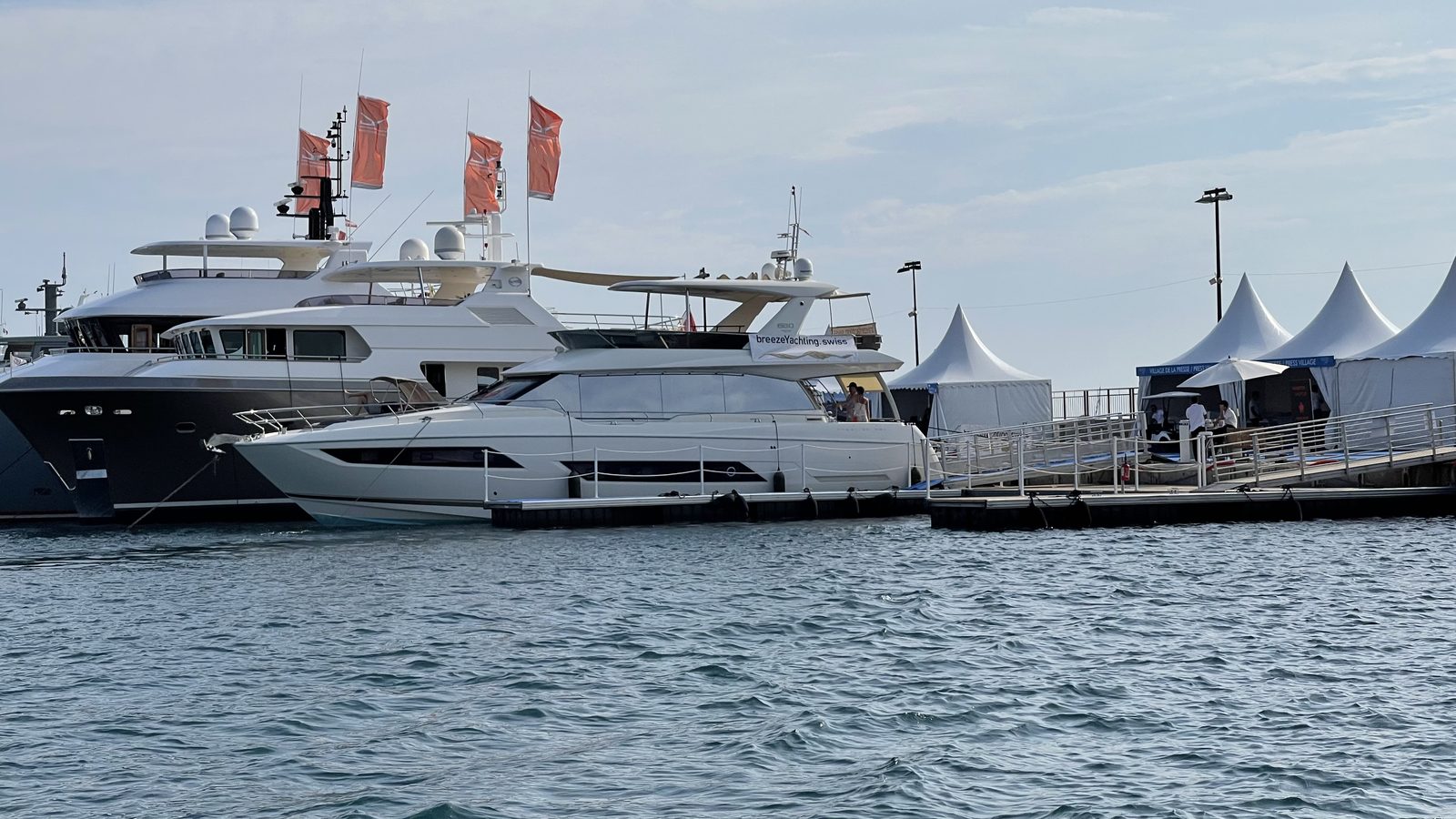
To work as a deckhand or stewardess on a superyacht, you need an ENG1 medical certificate and STCW basic safety training before your first trip to sea, plus security awareness training on most larger yachts. Entry courses that bundle these with boat handling and radio certificates cost from about £3,340, and most newcomers look for work in the Mediterranean between March and October.
We use the UK Maritime and Coastguard Agency (MCA) for the official requirements. How people find their first job is not regulated; for that part we rely on what training schools publish, and we say so.
Which certificates do you need before your first season?
According to the MCA, before your first trip to sea you need (MCA, MSN 1858, section 1.5):
- a valid ENG1 medical certificate or an accepted equivalent (our guide to the ENG1)
- the four STCW basic training modules: survival techniques, fire fighting, first aid and personal safety (our guide to STCW)
- Proficiency in Security Awareness, which is mandatory on ships under the ISPS Code
If you are given security duties on board, you also need Proficiency in Designated Security Duties (PDSD) (MSN 1858; STCW Regulations 2022, reg. 30). At UKSA the PDSD course takes one day and has no prerequisites (UKSA).
Flying Fish recommends doing the ENG1 before the STCW course (Flying Fish). UKSA does not require it for the course, but notes that yachts over 24 metres ask for it (UKSA).
Do stewardesses need a food hygiene certificate?
Anyone who prepares food in the galley counts as catering staff, whatever their actual role, and must be trained in food and personal hygiene. Stewards and stewardesses are explicitly included (MCA, MSN 1846). Level 2 is the minimum standard; stewards working under qualified supervision do not need a listed qualification but must meet the same learning outcomes (MCA, MIN 689). Purely computer-based food hygiene courses are not recognised.
These catering rules come from the Maritime Labour Convention and do not apply to non-commercial pleasure vessels (MSN 1846).
What do entry courses cost?
| School | Course | Length | Includes | Price |
|---|---|---|---|---|
| Flying Fish | Superyacht deckhand | 15 days | STCW basic safety, PDSD, RYA Powerboat Level 2, RYA Personal Watercraft, RYA VHF | £3,340 |
| Flying Fish | Superyacht stewardess | 15 days | STCW basic safety, PDSD, RYA Powerboat Level 2, RYA VHF, Food Safety Level 2 | not stated |
| UKSA | Deckhand and steward programmes | 23 days | not itemised here | from £4,500 |
If you only want the legal minimum, the STCW basic week costs from about £850 in the UK (see our STCW guide).
How do you find your first yacht job?
There is no official route; this is what the training school Flying Fish reports (Flying Fish):
- Most newcomers travel to Antibes, the centre of the Mediterranean yachting scene. The Mediterranean season runs from March to October.
- The three ways in are dockwalking (asking for work along the quays), registering with crew agencies and personal contacts.
- In Flying Fish's experience, most course graduates find a job within one to four weeks.
- A new deckhand earns €2,000 to €3,500 a month, €2,500 on average, almost always paid in euros. That matches the range in our crew salary guide.
What comes after the first season?
On deck, the first formal step is the Yacht Rating Certificate of Proficiency: minimum age 16, at least six months on yachts including two months at sea on vessels of 15 metres and more, the four STCW modules, a completed training record book and an ENG1 (MCA, MSN 1862). The next step is Efficient Deck Hand (EDH) from age 17. How the path continues to officer and captain is in our guide from deckhand to captain.
Sources
UK Maritime and Coastguard Agency (MSN 1858 Amendment 2, MSN 1862 Amendment 1, MSN 1846 Amendment 1, MIN 689), UK STCW Regulations 2022, and the course pages of Flying Fish, UKSA and Bluewater. All checked on 4 October 2026 and linked above. MIN 689 is due to expire on 30 November 2026.
Sources and image rights
- Images
- Toys & Crew
- Checked
- 4 October 2026 by Andreas Lakeberg
Disclaimer. We research every article carefully and to the best of our knowledge. Salaries, prices, rules and port regulations change, and we cannot guarantee that all information is complete, current or correct. Please check anything important with the original source or the responsible authority before you rely on it. To the extent permitted by law, we accept no liability for errors or omissions.